K‑Dense Web
Research. Analyze. Synthesize.
An AI agent with access to 250+ databases, hundreds of thousands of on-demand tools, and native support for 200+ scientific data formats. Autonomously executes complex tasks across science, engineering, healthcare, finance, and beyond.
Instant answers are free · research runs are pay-as-you-go
How It Works
Describe the Work, Come Back to Deliverables
You are not prompting a chatbot turn by turn. You give K‑Dense an objective and your data, approve a plan, and it executes the whole thing — writing code, querying databases, training models, and producing figures along the way.
Describe the objective
Upload your data or point at a public dataset, then say what you want and what the deliverable should look like. The more specific the brief, the closer the first draft lands.
Approve the plan
K-Dense asks a handful of clarifying questions, then proposes an execution plan. You can change it before anything runs.
It executes
The agent writes and runs code, pulls from 250+ databases, trains and tunes models, generates figures, and validates its own work as it goes — for hours if the task warrants it.
You collect the outputs
Manuscripts, slides, posters, PDF reports, figures, and the underlying code and data — all downloadable, and all iterable if you want a section changed.
One dial controls depth, cost, and runtime
Every run happens at one of three effort levels. It is the biggest lever on output quality, and the one most new users miss.
Instant
A direct answer, the way a chat assistant would give it. No code, no execution plan, no research run.
Standard
A full research run from a single execution plan. The workhorse for most tasks.
Pro
Maximum compute, full validation, and a plan the agent revises as it learns. For work you intend to publish, submit, or act on.
Validation
Results You Can Check
A confident wrong answer is worse than no answer. Most of K‑Dense’s runtime goes not into producing output but into checking it: separate agents review the code, the sources, and the science before you ever see a result.
Code review
Every script the agent writes is checked and tested before its results are used downstream. A silent numerical error in step two would otherwise propagate through everything after it.
Citation verification
References are resolved against the literature rather than generated from memory: the paper has to exist, and it has to actually support the claim being made. This is where most AI research tools fail hardest.
Methodology critique
A reviewer agent argues with the scientific approach — whether the statistics are appropriate, whether the assumptions hold, whether the conclusion follows from the data — and the system revises based on that feedback.
How much of this runs depends on the effort level — Pro runs the full suite and acts on its own critique, which is why it is slower and why it is the right choice for anything you intend to publish or act on. It is not perfect, and we publish the benchmarks rather than asking you to take our word for it.
Already have a paper to check? Rigor Scan checks how completely it reports its methods, for free in your browser, and hands the gaps to K‑Dense Web to fix. Weighing a claim? Claimscape maps what the literature says about it, study by study, and hands the full-text review to K‑Dense Web.
See It In Action
Example Use Cases
Explore 177 real research sessions powered by K‑Dense Web, organized by domain
We costed 67 of them against what a specialist would charge to produce the same deliverable alone: $3.1M of work for $5,670 in credits, a median of 107× faster — and that credit figure is the ceiling, since what you are charged caps at $29 per run. See the audit.
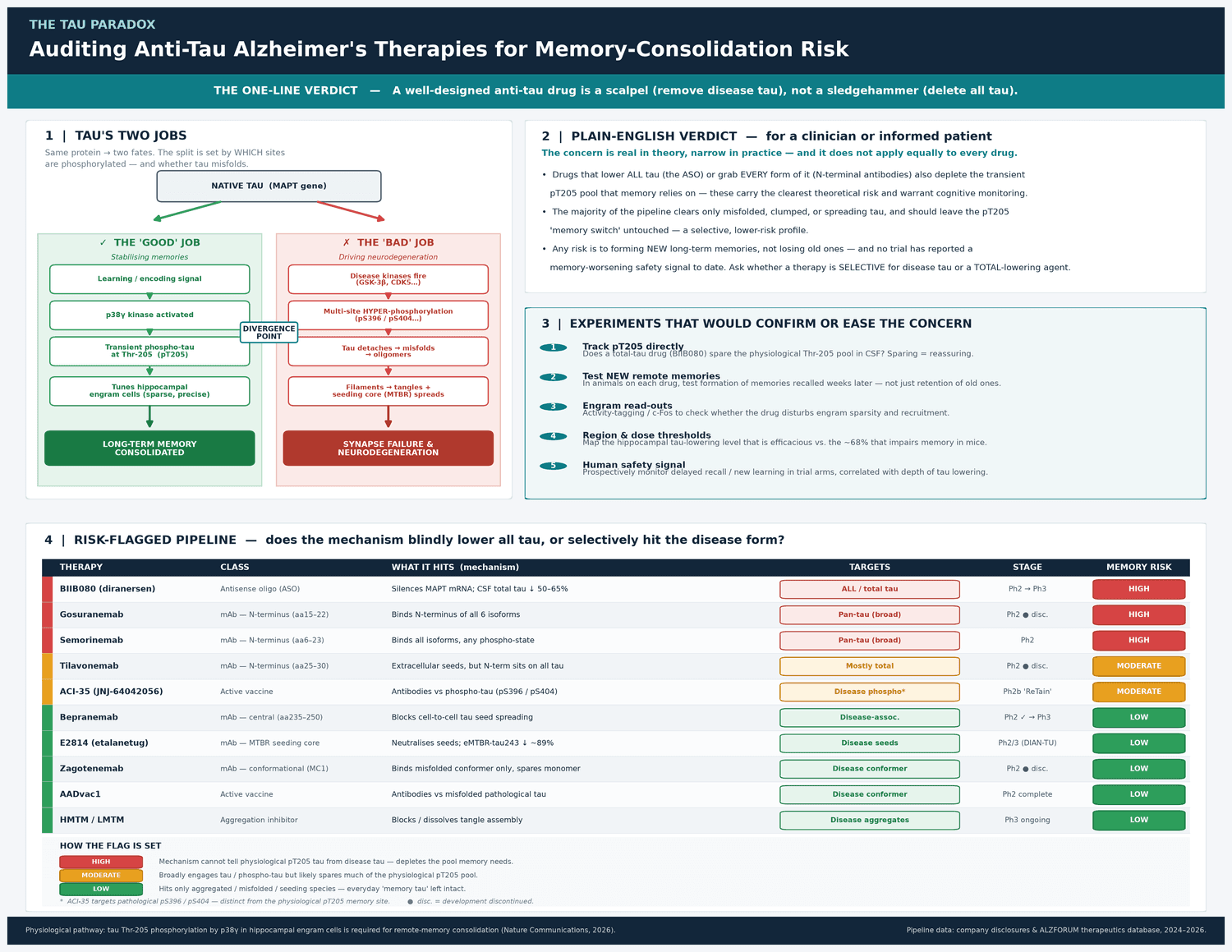
Tau Pathway Mapping and Therapeutic Audit
Map tau pathology pathways and audit therapeutic opportunities across anti-tau intervention strategies.
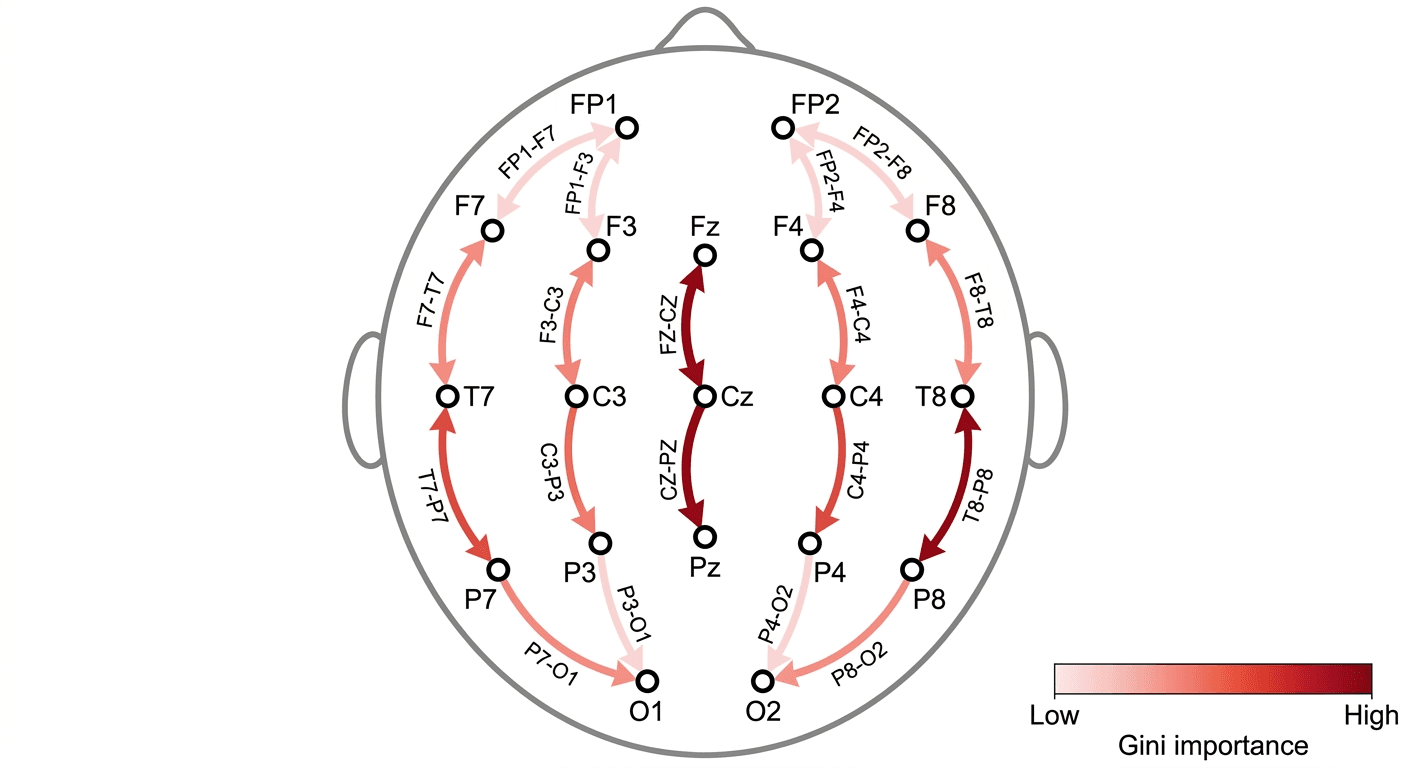
CHB-MIT Pediatric Seizure Detection Classifier
Detect pediatric seizures in CHB-MIT EEG with channel-montage importance analysis.
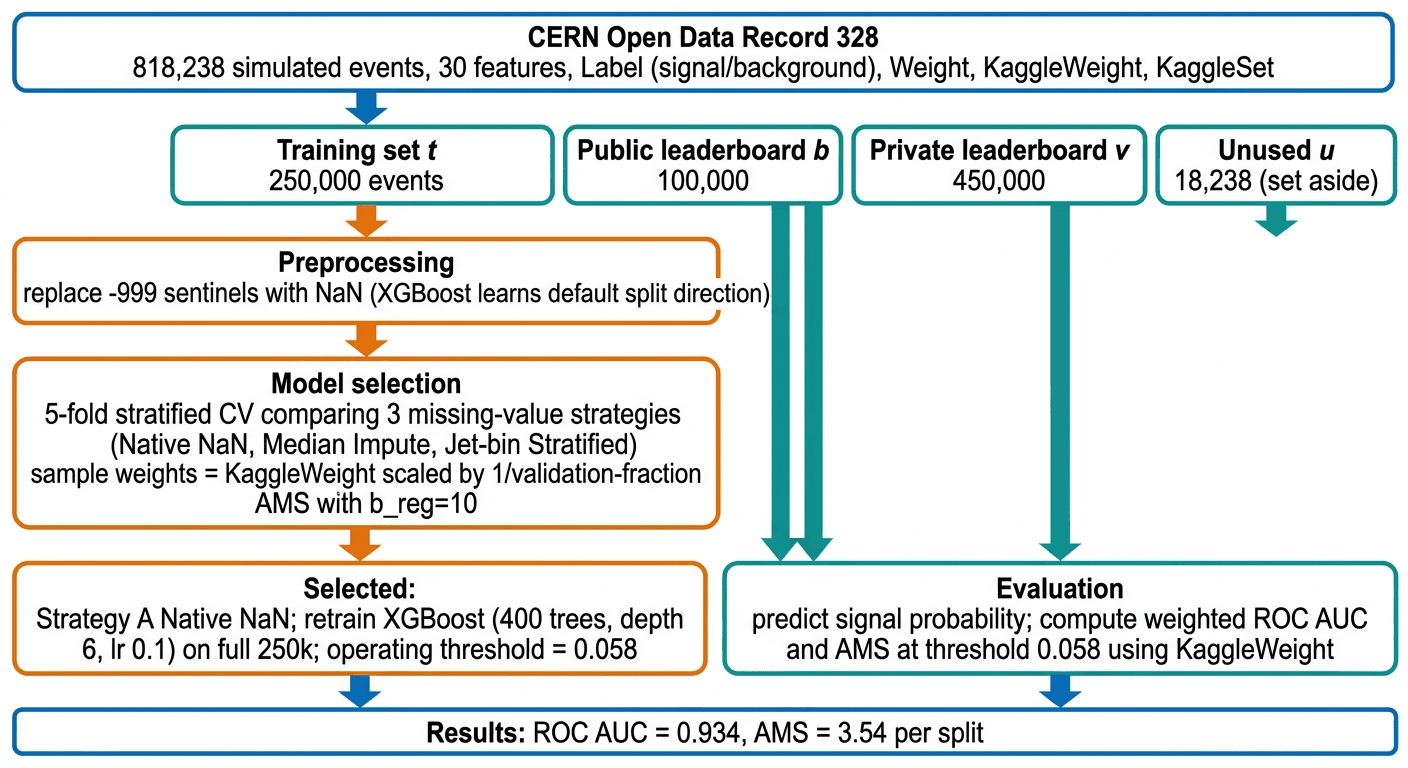
ATLAS Higgs ML Challenge Classifier
Train and evaluate classifiers on the ATLAS Higgs ML Challenge with a documented end-to-end methodology pipeline.
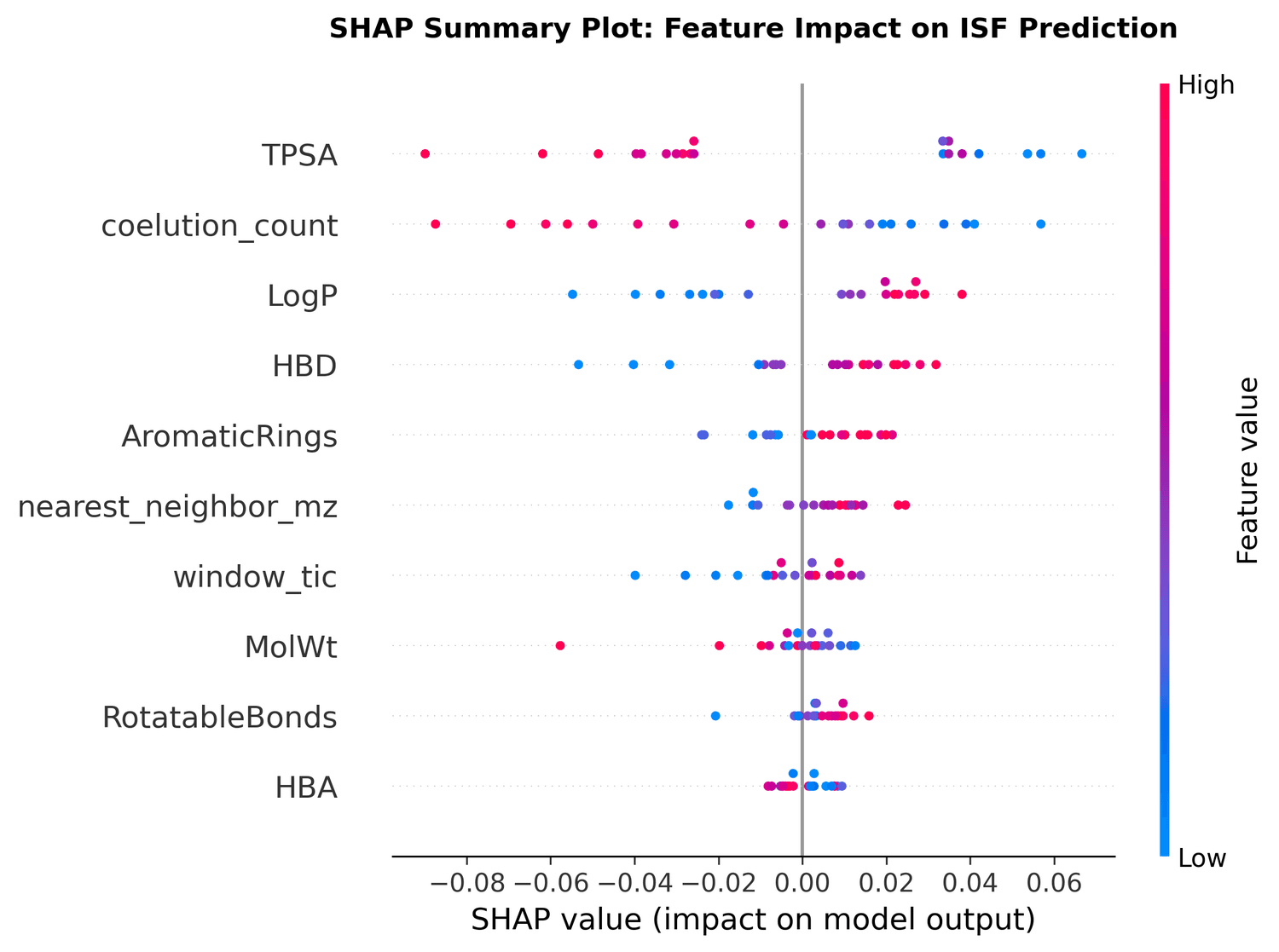
LC-MS Ion Suppression Prediction
Predict ion suppression factors in LC-MS metabolomics using chromatographic context features and SHAP interpretability, trained on a 100-sample synthetic dataset.
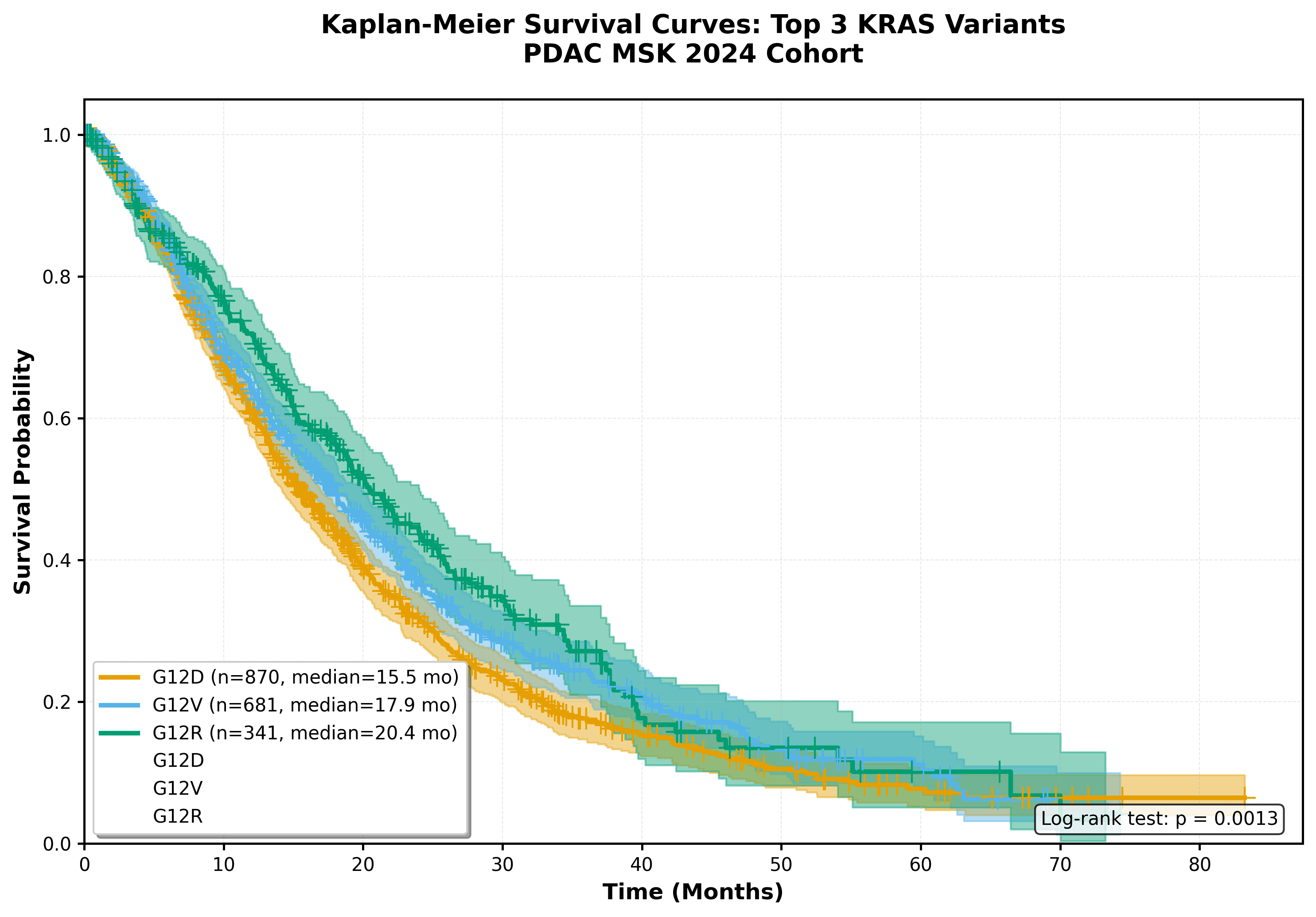
PDAC KRAS Mutation Survival Analysis
Analyze KRAS variant distribution and survival outcomes in 2,336 pancreatic adenocarcinoma patients from MSK cBioPortal data.
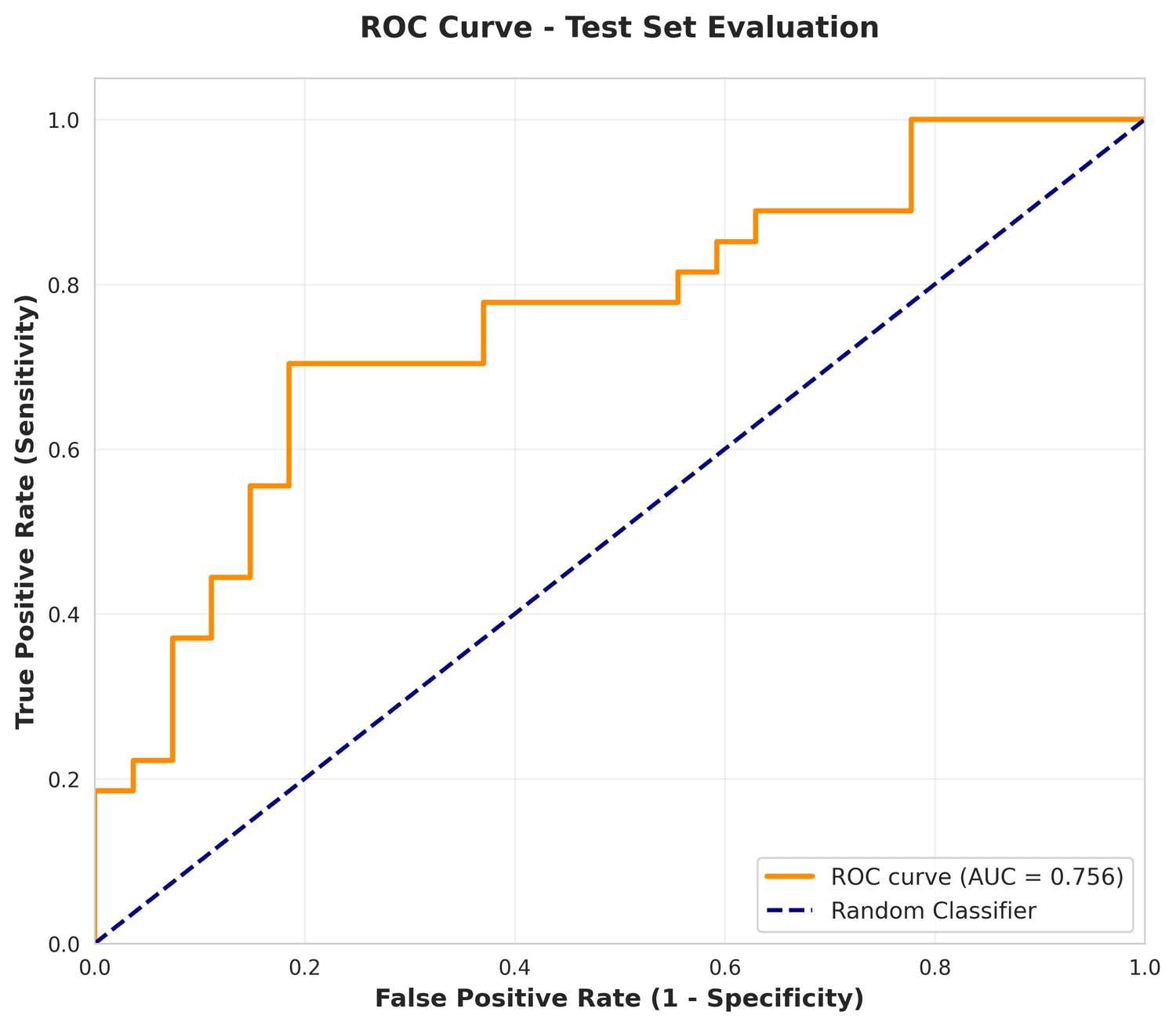
HNSCC Treatment Response Biomarkers
Build ML classifier for head and neck cancer treatment response using 270 patient samples with AUC=0.76.
Platform Capabilities
Built for Real Research at Scale
Not a chatbot with a science skin. K‑Dense Web writes and executes real code, connects to real databases, reads your actual instrument files, and produces outputs you can publish.
Databases
Direct access to scientific, clinical, financial, and chemical databases. Dedicated integrations for PubMed, ChEMBL, UniProt, SEC EDGAR, FRED, and dozens more, plus multi-database packages like BioServices and BioPython that each unlock 30‑40 additional sources.
Tools, Generated on Demand
K‑Dense writes and executes code on the fly, turning every function in every Python package into a callable tool. Pre-built optimizations cover the most common workflows, but the system is never limited to what is pre-defined. Hundreds of thousands of capabilities, generated on demand.
Python Packages Available
Use any of the 500,000+ packages on PyPI. Ships with curated optimizations for 200+ of the most common scientific, research, and financial packages including RDKit, Scanpy, scikit-learn, PyTorch, BioPython, statsmodels, and more.
Scientific Data Formats
Native support for instrument files, data formats, and outputs across every major scientific domain. From FASTA and BAM in genomics to DICOM and SVS in medical imaging, mzML in mass spectrometry, FITS in astronomy, CIF and POSCAR in materials science, FCS in flow cytometry, and hundreds more.
Ready Outputs
Generate manuscript-ready papers, presentation slides, LaTeX and PowerPoint posters, PDF reports, interactive visualizations, scientific schematics, and figures. Not just code: deliverables you can submit, present, or share.
Documented Use Cases
Real research sessions across science, finance, engineering, health & climate, and geopolitics & strategy, each with shareable outputs and most with downloadable PDF reports.
Data Compatibility
Every Format Your Instruments Produce
From raw instrument output to publication-ready deliverables, K‑Dense handles the formats your research actually uses. Native support across 12 domains.
WebMCP
Ready for the AI Agent in Your Browser
K‑Dense Web supports WebMCP, so an AI agent running in your browser works with it through typed tools instead of screenshots and clicks. Hand it the research brief and it can start the session, follow the run, and bring back the results.
Start and follow research
The agent can search skills, databases, and workflows, start a session at the effort level you pick, or fill in the composer and leave pressing send to you. While the run goes, it can check progress and answer the planning agent's questions.
Read what the run produced
Reports, messages, code, CSV, and PDF output come back as text the agent can page through. Figures and files open next to the chat or download straight to your computer.
The rest stays with you
Nothing is offered before sign-in. Payments, sharing, deleting, and account settings are never exposed, anything that spends credits is flagged for confirmation, and every change the agent makes shows up as a notice in the app.
What Researchers Say
From the People Doing the Work
Feedback from K‑Dense Web users across academia, biotech, and the clinic, lightly edited to remove spoken filler. Names withheld — much of this work is unpublished or under NDA.
“This platform is essentially providing me a dozen PhDs and postdocs in my pocket. I see myself as the PI, asking questions to my postdocs, and my postdocs just keep giving me the information. It’s a postdoc that never says ‘I don’t know.’”
“You upload a bunch of Excel spreadsheets and, without too much description, it figures out where the fold change is and then goes and does all the statistics. I thought it might struggle with figuring out all these columns, but it was remarkably good with that. It’s also much better at finding references than ChatGPT.”
“I was very impressed with the original reports it was able to generate — the workflow was solid in terms of the actual analysis it was doing. A workflow like that by hand would take me a week, two weeks. I didn’t mind letting it go off and think for seven hours, because the output was such high quality.”
“I dumped in everything I found — Google Sheets, PowerPoints, even images of experiments — and asked for a technical report. It took only 30, 40 minutes, and what I got was a very high quality report. It pulled the materials and methods, and it turned the images into graphs on its own. We kept 98% of the report the same. Otherwise it would have taken me days.”
“The figures I got from K-Dense were much better in quality, and better at displaying what I wanted, than what I got from Gemini. With Gemini I had to do 15 different iterations just to capture what I wanted. K-Dense got it on the first shot — very crisp and ready to go.”
“I’ve been using K-Dense for this whole month, and so far I love everything about the program. The quality of the paper it gives is awesome. It’s legit — the references are true, there’s no hallucination.”
“To be able to have a good start on the manuscript, all out of the box and ready to use in Overleaf — that’s crazy. That saves weeks and weeks of work, no doubt. I’m dyslexic, and when I finished my PhD I almost gave up on being a researcher because of my inability to write my thoughts. Now I can pour it out and it works.”
“I quite like the methodical way it goes about doing the work. It’s definitely a much bigger step up from the generic deep research products on Gemini or ChatGPT, and there’s a lot more transparency — it’s more academic. Without it I’d spend a good week or two just accumulating the resources.”
“It’s really good when it has a clear objective. Reports, slides, all of that — even when you put in a lot of information, it takes forever for a person to do. It’s really good at that, and at interpreting everything. I asked it to explain what was going on mechanistically, with visuals, and that was really nice.”
“I told it what we already have, where our strategy is right now, and what we’d like to do. It designed some very detailed assays, which I handed off to our head of biology — who is very excited about following up on those designs.”
“What I really love is that it lets you explore your curiosity faster and better. I bounced ideas off it for projects I’d been thinking about and explored three or four very different directions — asking it to critique the idea, find the benefits, tell me whether it works. That kind of thing was very cool. And it generates very beautiful figures.”
“It’s exceptionally good. I loved that it gave me the manuscript and a slide presentation together — if you’re going to present the topic to someone, that’s the easiest way, instead of handing them the manuscript from start to finish.”
“I tested the agent by giving a paper to review and give back improvements and it was quite astonishing as a first time user. Looking forward to test and create even more.”
Start Your First Research Session
Pay-as-you-go, no subscription required. Or explore Plus and Team plans for refreshing monthly credits.