What this research found
Glioblastoma (GBM) attracts a large volume of trial activity that has produced very few approvals. All 1,913 interventional GBM trials registered on ClinicalTrials.gov were retrieved, classified by therapeutic modality and molecular target, and compared against the five drugs and one device approved for the disease. The widest gap is immunotherapy: 682 trials, 35.7% of the landscape, against no approved immunotherapy agent for GBM.
- Immunotherapy is the field's largest bet with no return so far — 682 trials (35.7%) against zero approved agents — with checkpoint inhibitors aimed at PD-1, PD-L1, and CTLA-4 making up much of that group.
- Novel targets rarely reach pivotal trials. Phase 3 to early-phase ratios were 0.074 for MET (26 against 353 trials), 0.053 for PD-1 (6 against 114), 0.046 for EGFR (3 against 65), and 0.018 for mTOR (1 against 55). Only MGMT cleared 0.1, at 0.180.
- A quarter of the pipeline retreads approved ground: 495 trials (25.9%) use mechanism classes that are already approved, with alkylating agents appearing in 642 trials and angiogenesis inhibitors in 194, while 397 trials (20.8%) pursue novel mechanisms.
- Academic groups run the field but hand off late-stage work. Academic and other non-commercial sponsors lead 1,301 trials (68.0%) against industry's 468 (24.5%), yet industry sponsors 46 of the Phase 3 trials (40.0%). Federal sponsors account for 7.5% of all trials and 3.5% of Phase 3.
- The landscape is mature but attrition-heavy: 904 trials are completed and 247 were terminated. A keyword scan of 198 recent papers found negative-outcome language co-occurring with all five leading targets, from a ratio of 0.50 for MET to 0.64 for EGFR.
How it was done
Interventional trials were pulled from the ClinicalTrials.gov API for the query Glioblastoma OR Glioblastoma Multiforme, yielding 1,913 records. A rule-based classifier assigned each to modalities — device or procedure, small molecule, immunotherapy, viral or gene therapy — and tagged molecular targets and drug classes, and a baseline of five approved agents, one approved device, and four key biomarkers was assembled for comparison. Gap analysis then measured overlap with standard of care, per-target phase progression ratios, and negative-sentiment co-occurrence across 198 PubMed papers from 2021 to 2026, while sponsors were split into academic, industry, and federal using the registry's sponsor class field. The output was a 21-page report with seven figures and a companion blog post of about 1,100 words.
Data sources
- ClinicalTrials.gov API v2 — 1,913 interventional glioblastoma trials
- PubMed via NCBI E-utilities — 198 articles on GBM trials, standard of care, and failures (2021–2026)
- Approved-therapy baseline — temozolomide, bevacizumab, lomustine, carmustine, carmustine wafer, and tumor treating fields
Limitations
Modality and target labels come from a rule-based keyword classifier, and 38.5% of trials could not be placed in either the approved-mechanism or novel-mechanism category. The target risk scores measure how often negative wording appears near a target in abstracts, not the trial outcomes themselves.
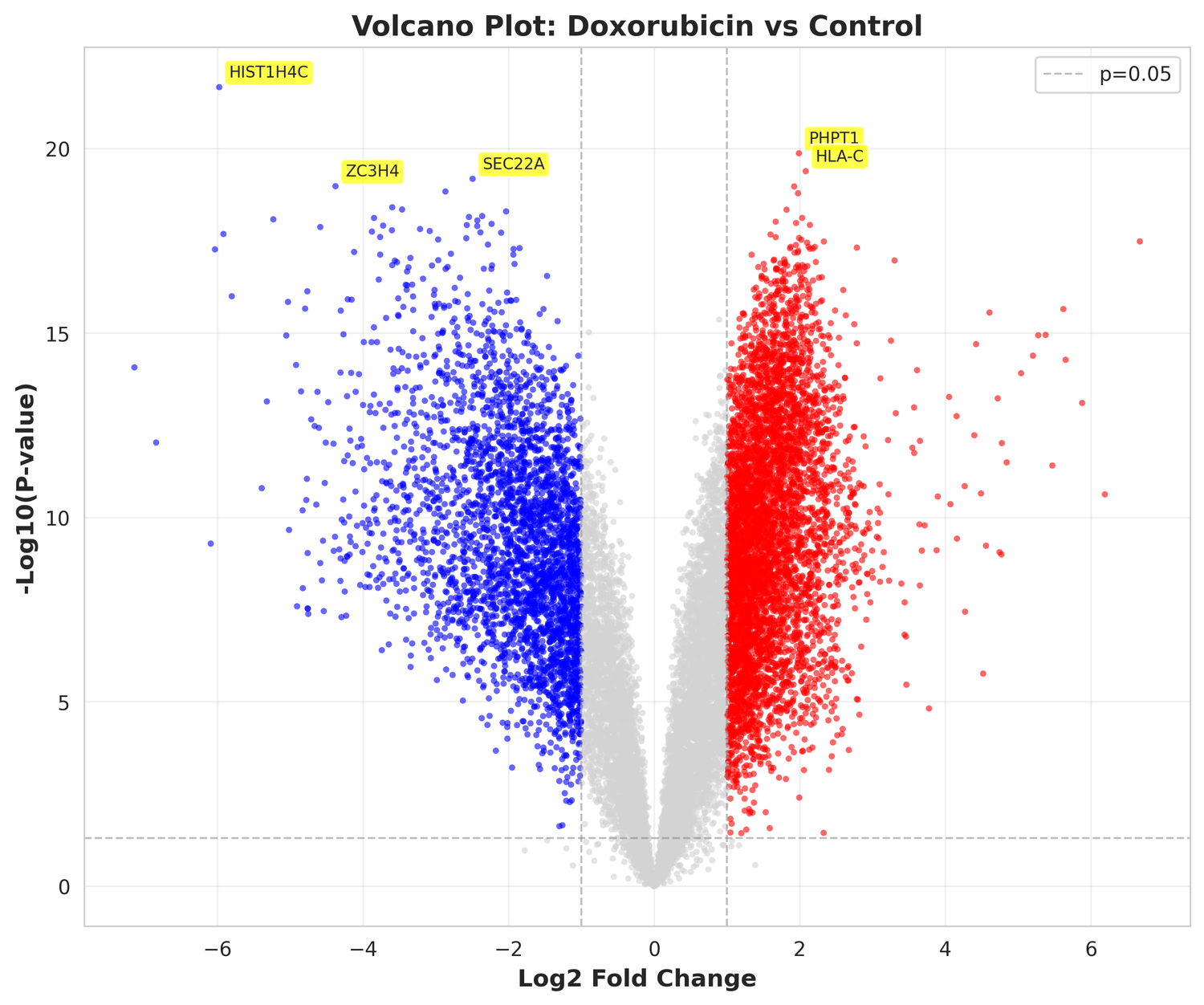
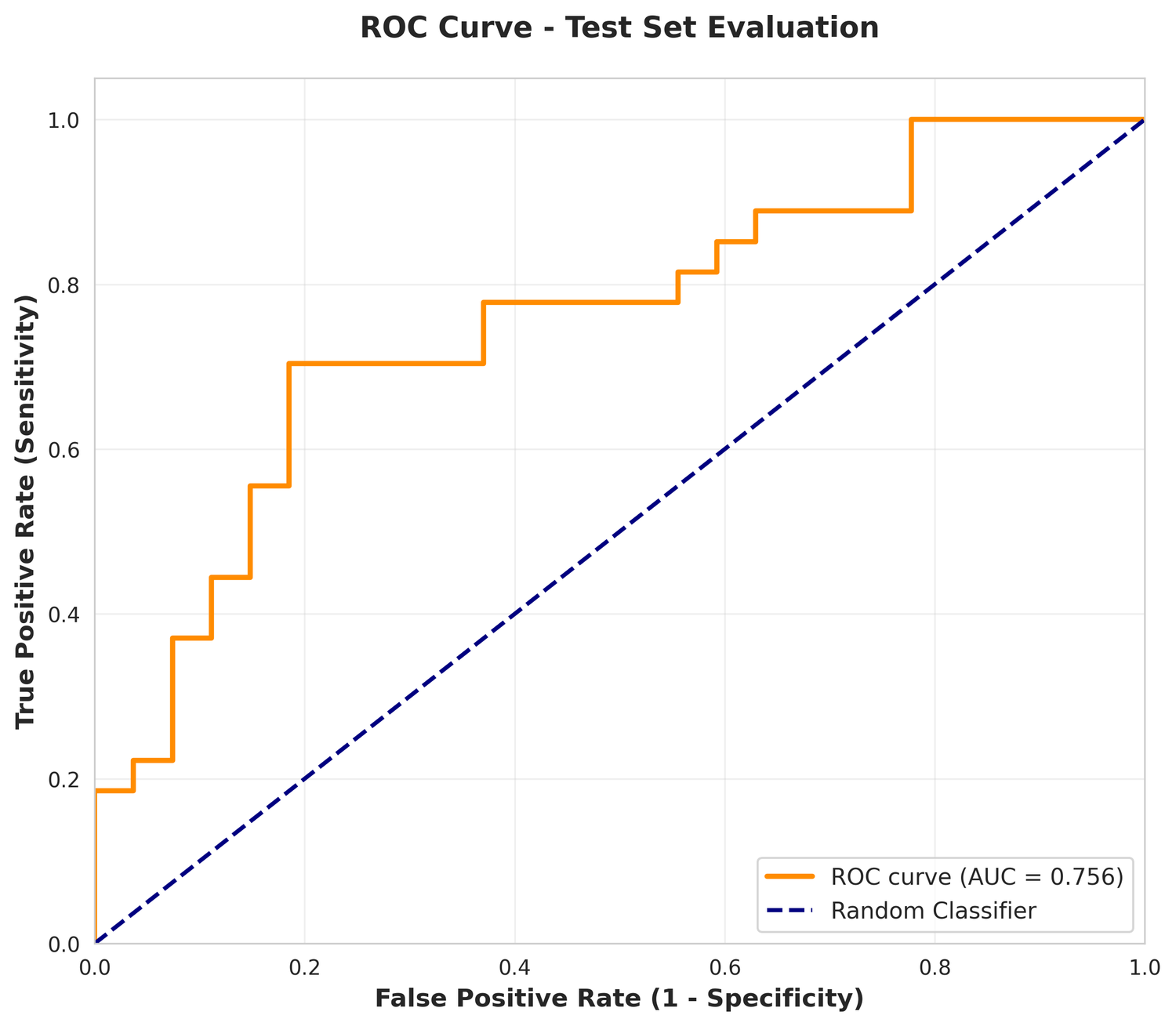
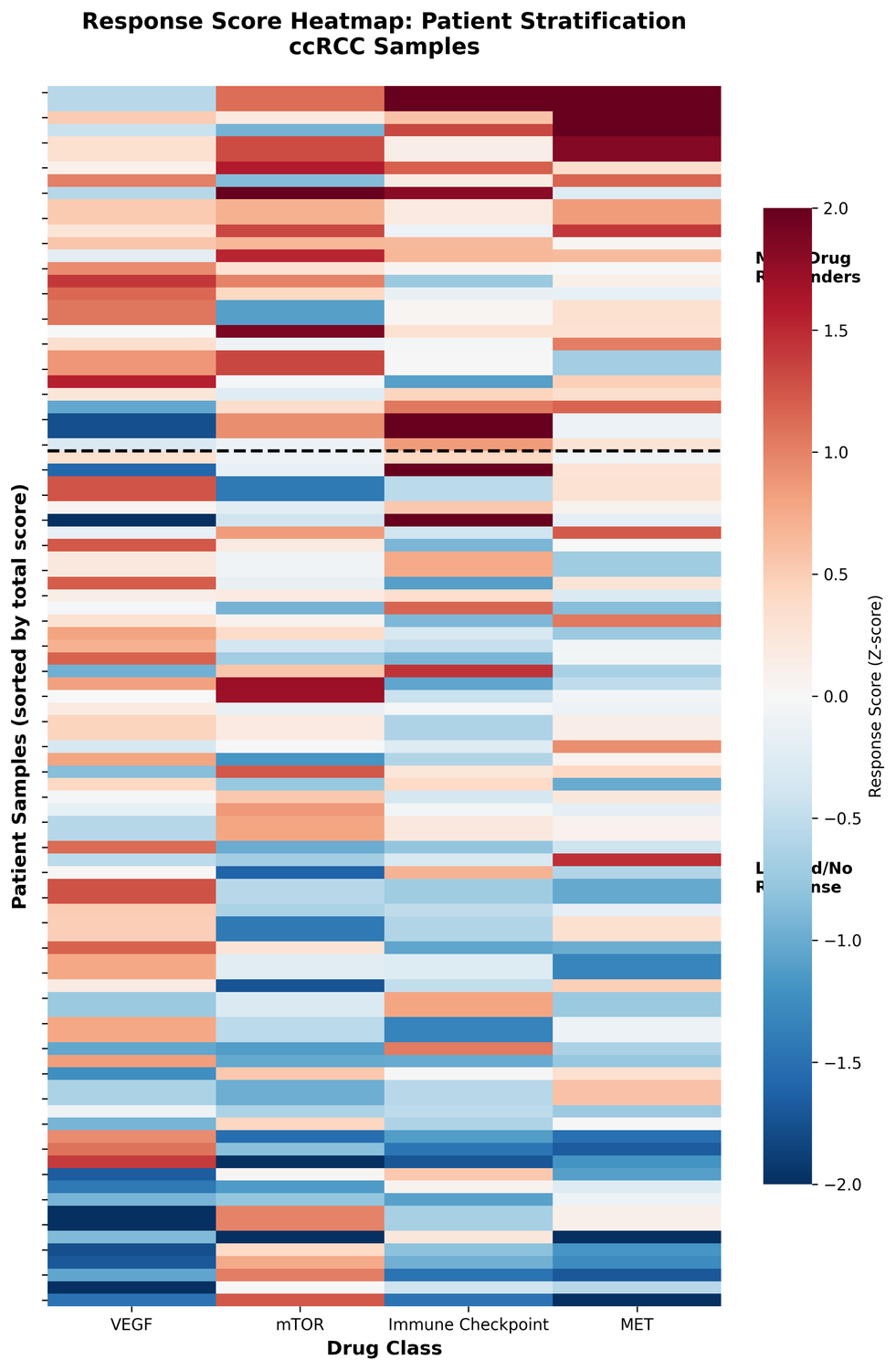
Figures from this analysis
Outputs produced
Raw clinical trial data for Glioblastoma (1913 interventional trials)
PubMed literature on GBM clinical trials, standard of care, and failures (198 articles)
Approved GBM therapies baseline for Gap Analysis (5 agents + TTFields device)
Processed trials with modality and MoA classifications
Flattened trial data for analysis (4449 intervention rows)
Quantitative gap analysis metrics (SoC overlap, novel targets, phase attrition, literature sentiment)
gap_analysis_summary.md
Human-readable gap analysis summary with 3 key gaps and recommendations
Aggregated findings from all analysis steps for writing agent
What this would have cost
This session was one of 67 audited against what a qualified specialist would spend producing the same deliverable alone, at mid-market US consulting rates.
Order-of-magnitude estimates (±30%) by design. The human baseline assumes one specialist working full-time without queueing or meetings, and excludes data and software licensing. The K-Dense figure is the credits a session consumed, valued at the Plus rate. What you are actually charged is capped per run — $9 at Standard, $29 at Pro — so the real gap is wider than shown. Full methodology.
How this research was produced
K-Dense Web planned and ran this cancer biology investigation end to end — gathering the sources, carrying out the analysis, producing the figures, and drafting the report. The full session transcript, including every intermediate step, is available to view.